How Erewhon Makes $12 Water Make Sense
Aidan Tan
QULIT Staff Writer
At first glance, $12 for a cup of water sounds absurd. That's exactly why people are talking about it.
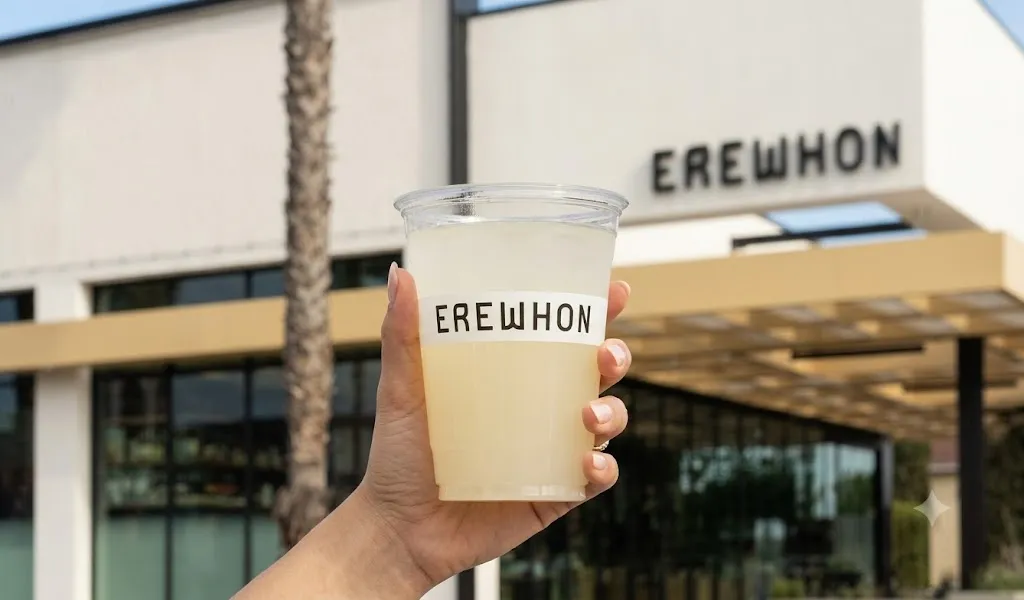
Erewhon's latest collaboration with luxury shower filter brand Jolie introduced Sacred Water, a limited-edition wellness drink made with coconut water, jasmine tea, raw honey, and botanical ingredients. On paper, it's another premium beverage. But rather than positioning it as just another drink, the launch presents it as a wellness ritual.
Look closely, and almost every detail reinforces that perception. The product isn't simply called "water." It's Sacred Water, a name that immediately suggests ritual and exclusivity. Even its presentation borrows from the visual language of luxury skincare and wellness more than a typical beverage, while the partnership with Jolie extends the story beyond hydration into beauty and self-care. Together, these choices transform a functional product into something that feels aspirational.
That's what premium brands understand better than most. Consumers rarely evaluate luxury purchases on functional benefits alone. They also judge the design, the story, the collaborators, the exclusivity, and ultimately, how owning it makes them feel. By the time someone reaches the price tag, they've already been influenced by dozens of subtle signals that shape what the product is worth in their mind.
For marketers, it's a reminder that pricing doesn't exist in isolation. Brands don't justify premium prices after a product is launched. They build the perception of value long before customers decide whether it's expensive.
The takeaway? The smartest premium brands don't just charge more. They change what customers compare the product against. Premium pricing doesn't start with the price tag. It starts with everything that makes the price feel believable.
Sources: The Independent, Erewhon Market, Jolie Skin Co.