The World Cup Just Promoted a YouTuber to the Main Stage
Aidan Tan
QULIT Staff Writer
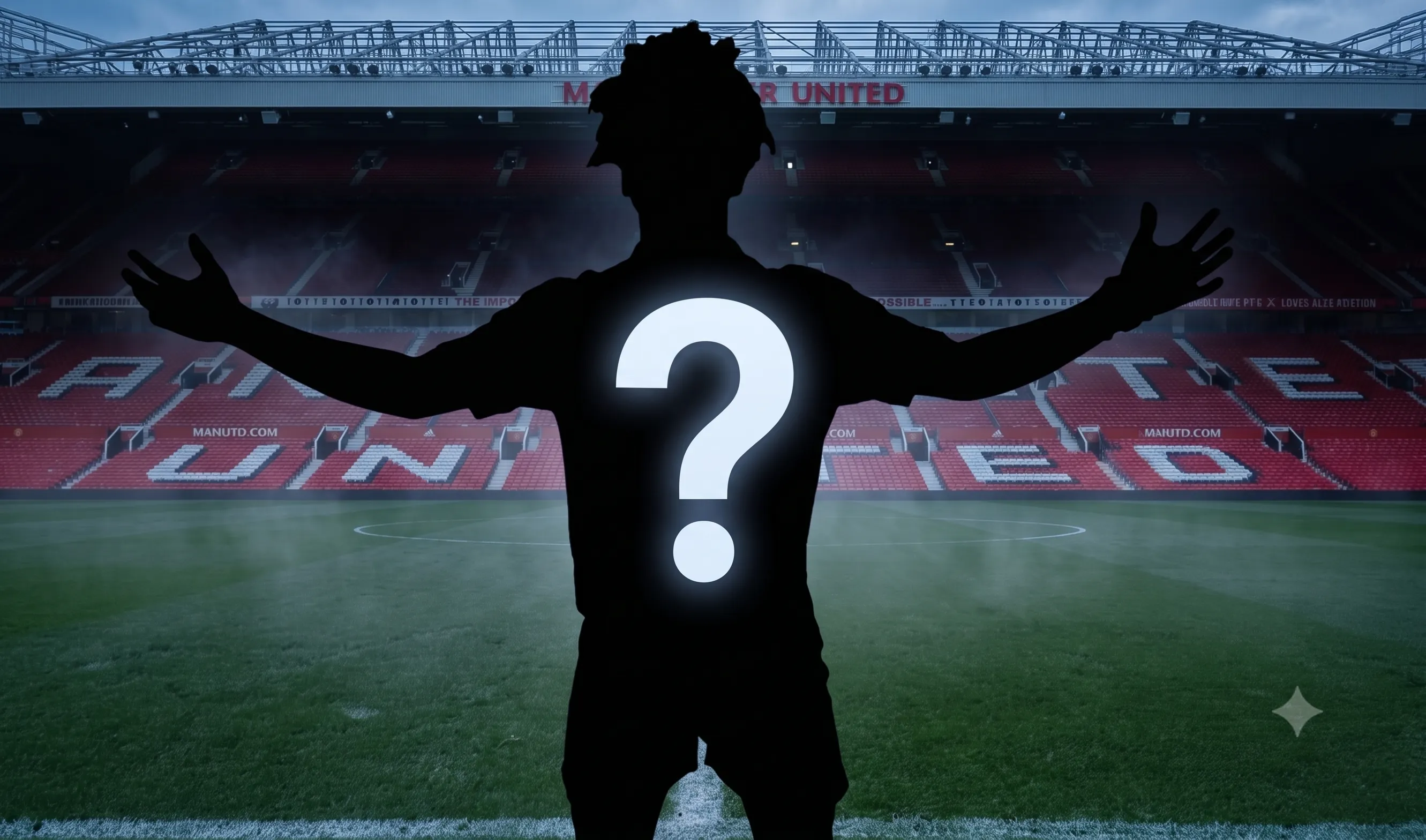
Not long ago, performing at the FIFA World Cup meant you'd reached the peak of music. In 2026, one of the biggest names on the closing ceremony lineup isn't known for topping the charts. It's iShowSpeed.
On paper, the decision seems surprising. Speed built his audience through gaming, livestreams, and chaotic reactions, not traditional music. Yet with 40 million+ YouTube subscribers and hundreds of millions of monthly views across platforms, he's become one of the internet's most recognizable personalities. More importantly, he's become one of football's biggest unofficial ambassadors. His livestreams with stars like Cristiano Ronaldo, appearances at major tournaments, and genuine passion for the sport have made him a familiar face to millions of young football fans long before FIFA officially invited him onto its biggest stage.
That's what makes this more than a celebrity booking. It's a signal that influence is changing. A decade ago, global events relied almost exclusively on actors, musicians, and athletes to attract audiences. Today, creators command communities that rival, and sometimes exceed, the reach of traditional celebrities. FIFA isn't just adding entertainment to the closing ceremony. It's acknowledging that creators have become cultural distribution channels in their own right.
The strategy also reflects a broader challenge facing every major sports property. The World Cup doesn't need more football fans. It needs younger ones. Gen Z spends more time with YouTubers, streamers, and creators than traditional television personalities. Bringing Speed onto the world's biggest football stage bridges those two worlds, making the tournament feel native to the platforms where younger audiences already spend their attention.
For marketers, the lesson is bigger than football. Influence is no longer defined by the industry someone comes from. It's defined by the audience they've built and the trust they've earned. The next generation of brand ambassadors won't always come from music, film, or sports. Increasingly, they'll come from the creator economy.
The takeaway? The world's biggest stages no longer belong exclusively to celebrities. They belong to whoever owns attention.
Sources: Yahoo Sports, Sports Illustrated, YouTube